
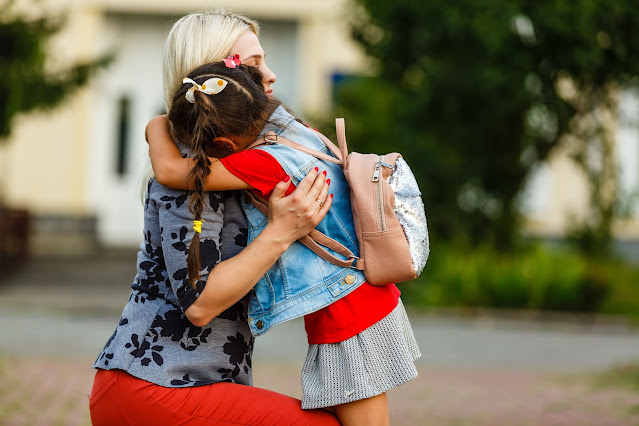
Practical Strategies for Schools and Families
Teach Empathy and Kindness Early On
Children learn social behavior by observing the adults around them. Teaching empathy early helps kids understand emotions, recognize how their actions affect others, and build respectful relationships.
- Teamwork and cooperation
- Perspective-taking
- Sharing and problem-solving
💡Tip: Use role-playing activities to help children practice responding to conflicts, standing up for peers, and offering help in difficult situations.
Establish Clear Anti-Bullying Policies
Clear, consistent anti-bullying policies are essential for prevention. Schools should define bullying clearly and communicate expectations and consequences to students, staff, and families.
- Outline reporting procedures
- Explain consequences clearly
- Emphasize prevention and support
💡Tip: Ensure these policies are visible and discussed regularly with students and parents. Regular workshops or assemblies on bullying prevention can also reinforce the importance of maintaining a safe environment.
Encourage Open Communication
Bullying often continues when children feel afraid or unsure about speaking up. Creating open lines of communication helps adults address concerns early before situations escalate.
Children should feel safe reporting:
- Being bullied
- Witnessing bullying
- Online harassment or cyberbullying
💡Tip: Create safe spaces where children feel comfortable expressing their feelings without fear of judgment. Having regular check-ins with students or your children can help you identify early signs of bullying.
Model Positive Behavior
Adults set the tone. Children mirror how parents, teachers, and caregivers handle stress, disagreements, and relationships.
Model:
- Respectful communication
- Fair conflict resolution
- Calm problem-solving
💡Tip: When conflicts arise, use them as teaching moments. Demonstrate how to address disagreements respectfully, emphasizing the importance of understanding and compromise rather than resorting to hurtful behavior.
Promote Inclusivity and Celebrate Differences
Bullying often targets children who feel “different.” Creating inclusive environments helps reduce isolation and fosters belonging.
Schools and families can:
- Highlight diverse cultures and backgrounds
- Celebrate individual strengths and talents
- Encourage peer connections
💡Tip: Incorporate lessons, books, or activities that highlight diverse cultures, backgrounds, and abilities. Encourage children to share their unique experiences and talents, helping them see that differences are valuable rather than something to be feared or mocked.
Train Educators and Caregivers on Intervention Strategies
Early recognition and intervention can stop bullying before it escalates. Teachers and caregivers should be trained to identify warning signs and respond effectively.
- Identifying bullying behaviors
- Supporting victims
- Redirecting negative behavior constructively
💡Tip: Provide ongoing training for staff and educators on how to recognize the signs of bullying, how to mediate conflicts, and how to support both the victim and the bully in making positive behavioral changes.
Empower Bystanders to Speak Up
Most bullying incidents involve bystanders. Teaching kids how to safely intervene or report bullying helps change school culture.
Children can learn to:
- Support peers
- District or de-escalate situations
- Seek adult help
💡Tip: Encourage kids to support their peers by speaking up or reporting bullying to an adult. Role-play scenarios where children practice how to intervene safely, whether through distraction, standing up to the bully, or seeking help.
Monitor Digital Spaces for Cyberbullying
Cyberbullying can be especially harmful because it extends beyond school hours. Teaching digital responsibility is essential in today’s connected world.
- Setting clear device-use expectations
- Teaching respectful online behavior
- Monitoring digital activity when appropriate
💡Tip: Establish family or school guidelines for digital device use. Educate children on the importance of digital respect, and remind them that their words online have real-world consequences.
Recognize and Address Bullying Behavior Early
Children who bully others may be dealing with stress, insecurity, or emotional challenges. Addressing behavior early helps prevent long-term patterns.
Support should focus on:
- Accountability
- Emotional regulation
- Positive coping skills
💡Tip: If a child is displaying bullying behavior, engage them in discussions about the impact of their actions. Provide counseling or support to help them develop better-coping mechanisms and social skills.
Involve parents and the Community
Creating a bully-free environment works best when schools and families work together. Community involvement reinforces positive behavior across environments.
Ways to involve families:
- Parent workshops
- School-wide initiatives
- Community awareness events
💡Tip: Organize community events or parent-teacher meetings focused on bullying prevention. Provide anti-bullying resources, such as brochures or workshops, that educate families on how to identify and address bullying both in and out of school.

Conclusion: Building a Culture of Kindness
Creating a bully-free environment doesn’t happen overnight – it requires ongoing commitment from everyone involved in a child’s life. By teaching empathy, promoting inclusion, and empowering kids to speak up, we can create schools and communities where kindness thrives.