
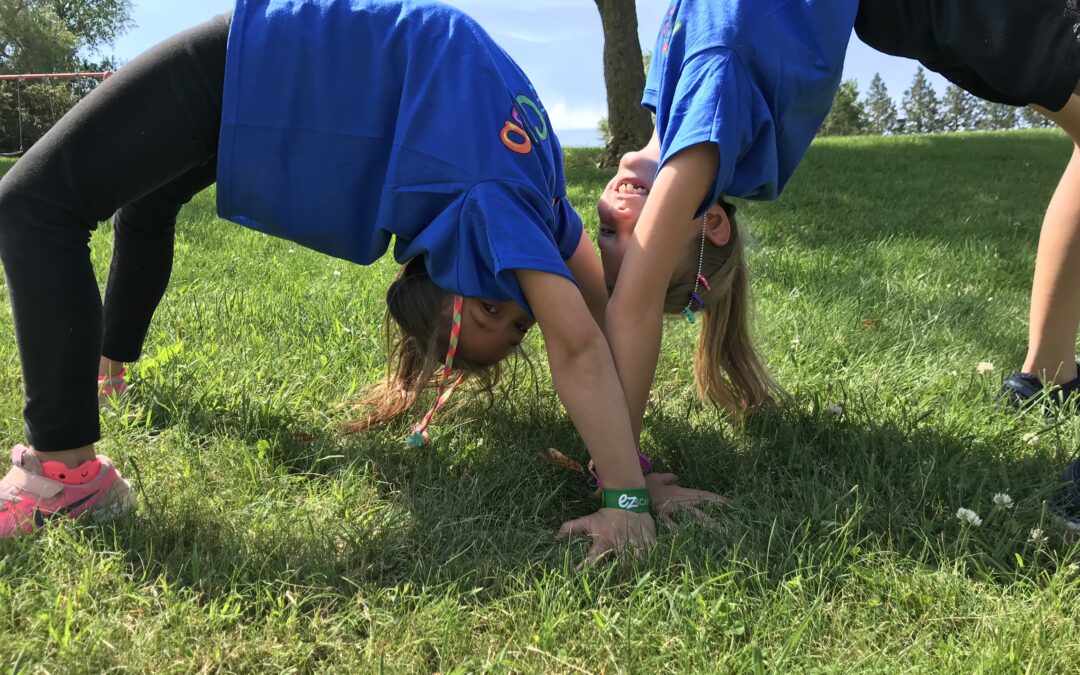
Holiday excitement can overwhelm kids. Learn how movement helps regulate emotions, reduce stress, improve sleep, and bring calm during busy seasons.
The holidays are exciting – but they can also be overwhelming for kids. Changes in routines, packed schedules, extra noise, late nights, and big emotions can leave children feeling overstimulated and out of balance.
While adults may expect kids to “settle down,” what they often need instead is a healthy way to release energy. That’s where movement plays a powerful role.
At Fitness Finders, we believe physical activity isn’t just about fitness – it’s an essential tool for emotional support, especially during the busy holiday season.
Why The Holidays Can Be Emotionally Challenging For Kids
Holiday excitement brings joy, but it also brings disruption.
Kids may experience:
- Irregular schedules and sleep patterns
- Increased screen time
- Overstimulation from events and gatherings
- Heightened expectations and transitions
These changes can show up as irritability, restlessness, difficulty focusing, or emotional outbursts.
How Movement Supports Emotional Regulation
Physical activity helps kids process emotions by giving their bodies a way to release built-up energy and stress.
Movement helps:
- Lower stress hormones
- Improve mood and emotional balance
- Increase focus and self-regulation
- Provide a sense of control during busy days
Even light activity – stretching, walking, or playful movement – can create a noticeable shift in behavior and mood.
Movement Improves Sleep (Which Improves Everything Else)
Sleep disruptions are common during the holidays, and lack of rest can intensify emotional challenges.
Regular movement supports:
- Better sleep quality
- Easier bedtime transitions
- Improved energy levels during the day
When kids move consistently, they’re more likely to wind down and rest well – helping both children and adults feel more balanced.
You Don’t Need Intense Exercise to See Results
Movement doesn’t need to be intense or structured to be effective. In fact, low-pressure activity is often best during the holidays.
Simple ideas include:
- Short walks or outdoor play
- Dance breaks at home or school
- Gentle stretching or yoga
- Play-based games indoors
The goal is not performance – it’s regulation and release.
Why Consistency and Encouragement Matter
When routines are disrupted, kids benefit from consistency in smaller ways. Encouraging regular movement – even in short bursts – helps kids feel grounded.
Recognizing effort makes an even bigger impact. Simple praise, encouragement, or earning a small reward for participation helps kids associate movement with feeling better, not pressure.
Fitness Finders tools are designed to support positive reinforcement – helping kids feel proud of showing up and moving their bodies.
How Adults Can Support Emotional Balance Through Movement
Parents, teachers, and caregivers play a key role in helping kids navigate holiday emotions.
Supportive strategies include:
- Offering movement before emotions escalate
- Keeping expectations flexible
- Modeling calm and positive movement habits
- Focusing on participation, not outcomes
When adults view movement as emotional support – not just exercise – kids benefit in powerful ways.
Movement is More Than Fitness – It’s Emotional Support
The holidays don’t have to feel chaotic. With consistent, pressure-free movement, kids can find calm, balance, and emotional stability – even during the busiest season.